


Air Roasted vs Drum Roasted Coffee: What Actually Changes in Your Cup
Summarize with ChatGPT Perplexity Claude

Air roasted vs drum roasted coffee comes down to one question: does the bean tumble against a hot metal drum, or float on hot air? That difference shows up in your cup.
Quick Summary
Drum roasting tumbles coffee beans in a heated, rotating drum; air roasting lifts them on a column of hot air. Air roasted coffee tends to taste cleaner and smoother, because nothing scorches against a hot drum wall and the chaff is carried away as it comes loose. Roast level, freshness and brewing still matter more than method for bitterness.
We're a small, family-run roaster in Bensenville, IL, and we roast on an electric fluid bed air roaster, a method it's estimated only around 1% of roasters use. Here's how both methods work, what each does to the flavor, and how to tell which one you're drinking.
Key Takeaways:
What is drum roasted coffee?
Drum roasted coffee is roasted inside a rotating metal drum, usually heated from below by a gas burner. As the drum turns, the beans tumble over and over, picking up heat two ways: from touching the hot drum wall and from the hot air moving through the drum.
Drum roasters come in every size, from small shop machines to production roasters that handle around 70 kilos a batch. When we toured Hacienda Muñoz in Puerto Rico, they showed us their 20-kilo drum roaster, which they run every other day for the cafe.

Drum roasting is how most of the world's coffee is roasted, and in skilled hands it makes excellent coffee. The trade-off is contact heat: the beans keep meeting a hot metal surface. A drum roaster's chaff collector pulls most of the papery chaff out, but the bits that stay in the drum can scorch and add smoky, ashy notes.
"Most coffee is roasted in a drum. It's flames under a spinning metal tube, which is contact heat. So the outside of the bean chars a little bit on contact, and that's what gives you that really strong roast profile."
— Eli Coleman, Co-Founder of Gigawatt Coffee Roasters, on The Locals
What is air roasted coffee?
Air roasted coffee is roasted on a column of hot air instead of in a drum. A blower pushes heated air up through the roasting chamber, the beans float and circulate in it, and the heat passes to them almost entirely through the air. This is also called fluid bed roasting.


As the beans roast, their thin, papery skin, the coffee chaff, loosens and the airflow carries it up and out into a collector before it can scorch. A batch on our roaster takes 8 to 12 minutes.
"Ours is forced hot air through a chamber, much like a big popcorn machine. As the bean roasts, it has something called chaff, that's the skin of the bean, and it separates. The bean barely touches any metal surface. It's just the air that's lofting it up."
— Eli Coleman, Co-Founder of Gigawatt Coffee Roasters, on The Locals
The design goes back to Michael Sivetz, who patented a fluid bed coffee roaster in 1976 (US patent 3,964,175). His roaster used a blower to lift the beans into a moving, circulating mass so they would roast evenly.

Air roasted vs drum roasted coffee: side by side
Here's how the two methods compare on the things that change your cup.
| Aspect | Drum roasted | Air roasted |
|---|---|---|
| How the beans move | Tumble inside a spinning metal drum | Float and circulate on a column of hot air |
| Where the heat comes from | The hot drum wall plus hot air inside the drum | Almost entirely the hot air (convection) |
| Chaff | Most is pulled out by a chaff collector; bits that stay in the drum can scorch | Lifted up and out by the airflow as it comes loose |
| Typical body | Heavier and rounder | Lighter and cleaner |
| Flavor tends to show | Roast character: toasty, roasty notes | Origin character: fruit, cocoa, florals |
| Common heat source | Usually a gas burner under the drum | Gas or electric (ours is electric) |
| Batch size | From a few pounds up to around 70 kilos | Smaller batches (we roast small batch) |
| Who uses it | Most roasters in the world | An estimated 1% of roasters |
How the roasting method changes the flavor
Bitterness
Contact with a hot drum and scorched chaff can both add bitter or burnt flavors. With the beans suspended on hot air, there's nothing for them to scorch against, which is why air roasted coffee tends to taste smoother black. It's the reason we can say our coffee is never bitter, never burnt. More on that in why our coffee isn't bitter.
Body
Drum roasted coffee often feels heavier and rounder in the mouth. Air roasted coffee usually feels lighter and cleaner. Neither is wrong: it's the same difference people notice between a heavy, roasty cup and a crisp, clean one.
Origin flavor
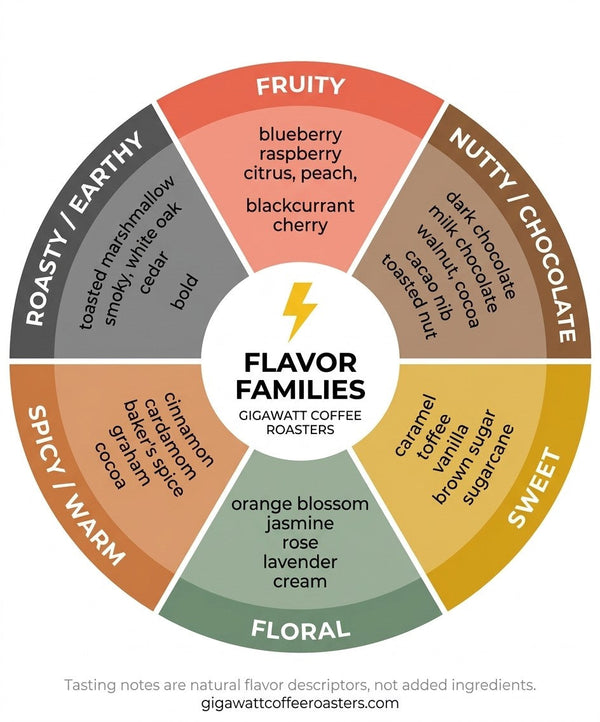
With less roast character on top, more of the bean comes through: the fruit, cocoa or floral notes that come from where it was grown. That's what the tasting notes on a coffee bag describe.
Dark roasts
Air roasting can take beans all the way dark without a burnt edge. Our Live Wire Espresso Blend is a dark roast, bold and smooth. If you're deciding how dark to go, our guide to light roast vs dark roast explains the trade-offs.


How can you tell if coffee is air roasted?
- Check the bag and the website. Air roasting is rare enough that roasters who do it say so. If it doesn't mention air or fluid bed roasting, it's almost certainly drum roasted.
- Taste it black. Air roasted coffee tends to taste clean without cream or sugar, with less smoky or ashy flavor.
- Ask. A good roaster will tell you what they roast on.

Why we air roast (and why most roasters don't)
Eli spent 20 years as a private investigator, traveling the country and drinking coffee that was burnt and harsh, built for people who add cream and sugar to make it drinkable. When we started roasting in 2020, it was on a 3-pound electric air roaster in a spare bedroom. Even the name came from it: Eli joked that if this took off, those electric roasters would chew through some gigawatts.

So why do so few roasters do it? Drum roasting is the industry standard, it handles very large batches, and most roasting equipment and training is built around it. Air roasting in small batches means more roasts to fill the same orders. We think the cleaner cup is worth it, and our customers agree: we have 3,000+ five-star reviews, and you can read them here. Not sure where to start? Take our coffee quiz.
Frequently asked questions
What is the difference between air roasted and drum roasted coffee?
Drum roasted coffee tumbles in a heated, rotating drum and picks up heat from the hot metal and the air inside it. Air roasted coffee floats on a column of hot air, so the heat comes almost entirely from the air. Air roasted coffee tends to taste cleaner and lighter; drum roasted coffee tends to taste heavier and roastier.
What is drum roasted coffee?
Drum roasted coffee is roasted inside a rotating metal drum heated from below, usually by a gas burner. The beans tumble as the drum turns, heating through contact with the hot drum and the hot air inside it. Most of the world's coffee is roasted this way.
Is air roasted coffee better than drum roasted coffee?
It depends on what you like. Air roasted coffee tends to taste cleaner and smoother with a lighter body, while drum roasted coffee tends to have a heavier, roastier body. Bean quality, roast level, freshness and brewing matter more than the roasting method, and a skilled drum roaster can make excellent coffee.
Why does air roasted coffee taste smoother?
Because the beans ride on hot air instead of tumbling against a hot drum wall, nothing scorches, and the papery chaff is carried away by the airflow as it comes loose. The result is a cleaner cup with fewer burnt or ashy notes.
Does air roasted coffee have less caffeine?
Not in any way you'd notice. Caffeine depends mostly on the type of bean and how much coffee you use, not on whether it was roasted in a drum or on hot air.
What percentage of coffee roasters use air roasting?
It's estimated that only around 1% of coffee roasters use fluid bed air roasting. Nearly everyone else roasts in a drum.
Does air roasting work for dark roast coffee?
Yes. Air roasting can take beans all the way to a dark roast without the burnt edge many dark roasts have. Our Live Wire Espresso Blend is a dark roast, air roasted.
What is a fluid bed roaster?
A fluid bed roaster is a coffee roaster that blows hot air up through the beans so they float and circulate while they roast. Michael Sivetz patented the design in 1976, and it's the kind of roaster we use.
Drum or air, the best coffee is the one you enjoy black. Ours just happens to ride on hot air. Stay caffeinated. ⚡