


Pour Over vs French Press: Which Brewing Method Is Right for You?
Summarize with ChatGPT Perplexity Claude

Quick Summary

Pour Over Coffee: Precision in Every Drop
Pour over gives you a clean, bright cup that highlights fruity and floral notes. French press gives you a bold, full-bodied cup with more richness and texture. Pour over uses a paper filter and gravity; French press uses immersion and a metal mesh. Neither one is "better" — it depends on whether you prefer clarity or body in your coffee. Think of it this way: pour over strips everything back so you taste the coffee itself. French press lets everything through — oils, body, texture — for a richer, heavier cup.

Pros of Pour Over Coffee:
-
Customization: Tailor your coffee’s strength and flavor profile by adjusting the pouring technique.
-
Clarity of Flavor: Paper filters ensure a clean cup, highlighting the coffee’s intricate tasting notes.
- Ritualistic Experience: There's a calming ritual to the slow, controlled pour that a lot of people really enjoy.
Cons of Pour Over Coffee:
- Time-Consuming: Pour over demands patience and time, making it less suitable for busy mornings or people who want coffee fast.
- Requires Skill: Achieving the perfect brew requires practice — pour speed, water distribution, and grind size all affect the outcome.
1. Brewing Process: Precision
Pour over coffee, often hailed as the epitome of precision, involves a slow, controlled pour of hot water over coffee grounds. This meticulous process allows for the extraction of delicate flavors, producing a nuanced and aromatic cup. It's what makes pour over a favorite among people who enjoy the ritual of brewing.

2. Flavor Profile: Clean and Vibrant
Pour over coffee tends to accentuate the coffee's brighter notes, enhancing its fruity and floral undertones. The result is a cup that's clean, bright, and easy to drink.
3. Texture: Light
Expect a lighter body and a smoother texture. The paper filter catches oils and sediment, so what ends up in your cup is clean and easy to drink.
French Press: Embracing Boldness

Pros of French Press:
-
Full-Bodied Flavor: French Press coffee boasts a bold, intense taste, capturing the essence of the beans.
-
Minimalistic Approach: With its uncomplicated design, the French Press offers a hassle-free brewing experience.
- Versatility: Experiment with grind size and steeping time to craft a cup tailored to your preference.
Cons of French Press:
-
Sediment Presence: Some coffee sediment may find its way into your cup, impacting the smoothness.
- Quick Cooling: French Press coffee cools down relatively fast, so it's best enjoyed promptly after brewing.
"We're not here for fast or fancy. We're here for coffee that tastes good and feels right."
— Eli Coleman, Co-Founder and Head Roaster at Gigawatt Coffee Roasters.
1. Brewing Process: Immersion
French press, on the other hand, employs immersion brewing. Coarsely ground coffee steeped in hot water allows for a fuller extraction, capturing robust flavors and creating a strong, hearty brew.

2. Flavor Profile: Bold
French press coffee boasts a fuller body, rich in depth and intensity. It embraces the coffee's natural oils, delivering a cup that’s bold, earthy, and deeply satisfying.
3. Texture: Full
With its fuller body comes a thicker texture, offering a more substantial mouthfeel. If you like a cup that has some weight to it, French press is your go-to.
Pour Over vs French Press: Which One Wins Your Morning?
| Aspect | Pour Over | French Press |
|---|---|---|
| Brewing Time | Quick and efficient | Requires steeping time |
| Control | High precision | Immersion brewing |
| Cleanliness | Clarity, no sediment | Can have some sediment |
| Flavor | Bright, fruity, floral | Bold, robust, earthy |
| Texture | Light and smooth | Rich, full-bodied |
In the end, your choice boils down to personal preference. If you value a bright, clean cup that highlights the coffee’s subtle notes, pour over might be your perfect match. However, if you crave a deep, intense experience with a robust body, the French press might become your daily companion.
Which Method Is Better for Beginners?
This is one of the most common questions we get, and the answer is straightforward: French press is easier to start with. The process is more forgiving. You add coarse grounds, pour hot water, wait four minutes, and press. There's less technique involved and fewer ways to mess it up.
Pour over has a steeper learning curve. You need a gooseneck kettle for control, you need to nail the pour speed and pattern, and small changes in technique can change the flavor significantly. It rewards practice, but it asks more of you upfront.
Gear needed: A French press ($20–$40), a kettle, coarse ground coffee.
Learning curve: Low. Hard to mess up once you get the timing right.
Gear needed: A pour over dripper ($10–$50), paper filters, a gooseneck kettle ($30–$60), medium-fine ground coffee.
Learning curve: Moderate. Takes a few tries to dial in your pour technique.
That said, don't overthink it. Both methods make great coffee, and you don't need to be a barista to enjoy either one. If you're just getting started with brewing at home, grab whichever one sounds more appealing and start experimenting. You can always try the other one later.
Your Perfect Brew: A Deep Dive
1. Grind Size
The grind size is the cornerstone of any great cup.
For Pour Over, a medium to fine grind ensures an even extraction and highlights the coffee's bright, fruity notes.
For French Press, opt for a coarse grind to prevent sediment while allowing the full-bodied flavors to shine. Getting this right sets the stage for a balanced, flavorful brew, tailored to your chosen method.
2. Water Temperature
Temperature matters more than you think. Aim for 195°F to 205°F (90°C to 96°C) to extract the best flavors from your beans. This range preserves the delicate notes in a Pour Over and enhances the rich, bold character of a French Press. Too hot, and you risk bitterness; too cool, and your coffee may taste flat. Precision is key to unlocking the magic in your cup.
The Specialty Coffee Association puts the ideal brewing range at 195–205°F for both methods.
3. Brewing Time
For Pour Over , take your time—aim for a total brew time of 3 to 4 minutes to extract vibrant, clean flavors.
For French Press , steep your coffee for 4 minutes to achieve its signature boldness and depth. The right timing ensures every sip captures the essence of the beans, bringing out their unique profiles without over-extraction.
Best Beans for Pour Over and French Press
| Method | Our pick | Why it works | Also try |
|---|---|---|---|
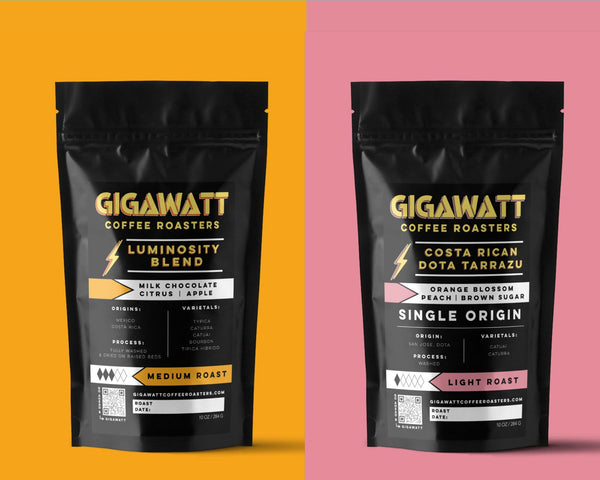
| Pour over | Organic Honduran (medium-light: blueberry, cola, vanilla) | The paper filter keeps the cup clean, so the fruit comes through | Costa Rican Tarrazu (light: peach, orange blossom, brown sugar) |
| French press | Kite & Key Blend (medium dark: chocolate, smooth finish) | Steeping in the press pulls out full body and depth | Mexican Chiapas (cinnamon toast, cocoa, vanilla) or Cameroon Mount Oku (medium dark, rich and full-bodied) |
| Can't decide? | Single Origin Sampler | Brew a few coffees both ways and see which you like | Any of the above |
These are starting points, not rules. If you love a light roast in your French press, brew it that way.
"People get so focused on the brewing method that they forget the beans matter just as much. A clean, well-roasted coffee is going to taste good in a pour over or a French press. If your coffee tastes bitter no matter what you do, the problem might not be your technique — it might be your beans."
— Eli Coleman, Co-Founder and Head Roaster at Gigawatt Coffee Roasters.
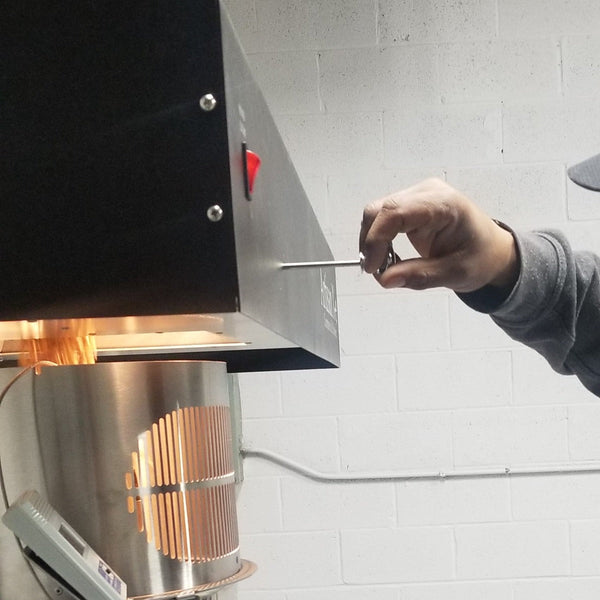
This is where air roasting makes a real difference. In a traditional drum roaster, the beans tumble against a hot drum wall, which can scorch the outside and add bitter, burnt flavors. With air roasting, the beans ride on a bed of hot air instead, so nothing scorches. The result is a cleaner, smoother bean that performs well in any brewing method.
For pour over, that cleanliness means the bright, fruity notes come through without any harsh undertones. For French press, it means you get bold body without bitterness. If you've ever wondered why coffee tastes bitter the roasting method is often part of the answer. We hear this all the time at farmers markets - people try a sample and say, "This doesn't taste like any coffee I make at home." Usually it's the air roasting they're tasting, not a different brewing trick.

Organic Honduran Coffee
Medium Light Roast – Perfect for Pour Over
Our Organic Honduran Coffee is a medium-light roast with lively hints of blueberry and balanced acidity. The pour over method brings out its bright, fruity notes for a clean, refreshing cup. If you like coffee with character, this is a great place to start.

Kite & Key Blend
Medium Dark Roast – Perfect for French Press
Our best-selling Kite & Key Blend is a medium-dark roast with rich chocolate undertones and a smooth finish. French press brings out its full body and depth — bold without being bitter. It's our go-to recommendation for French press and the one we reach for most at home.
Both come from our full range of fresh roasted coffee, if you want to see what else suits your method. Once you find your favorite, you can subscribe and save 10% - so you never run out mid-week.
Tips for the Best Brew
-
Pour Over Tips:
- Use a gooseneck kettle for precise pouring.
- Experiment with water temperature (195-205°F) for different flavor extractions.
- Bloom your coffee by pouring just enough water to saturate the grounds, then wait 30 seconds before continuing.
-
French Press Tips:
- Preheat your French press with hot water to maintain the brewing temperature.
- Stir the coffee gently after pouring the water to ensure even extraction.
- Let the coffee steep for 4 minutes before plunging for optimal flavor.
The Practical Stuff: Ratios, Cleanup, and Cost
Coffee-to-Water Ratios
Getting your ratio right makes a bigger difference than most people realize. Here's a starting point for each method. You can adjust from there based on how strong you like your coffee.
| Detail | Pour Over | French Press |
|---|---|---|
| Ratio | 1:15 to 1:17 (coffee to water) | 1:12 to 1:16 (coffee to water) |
| For one cup (12 oz) | ~22 g coffee + 350 g water | ~25 g coffee + 350 g water |
| Grind size | Medium-fine (like table salt) | Coarse (like sea salt) |
| Brew time | 3–4 minutes | 4 minutes steep |
| Water temp | 195–205°F | 195–205°F |
| Starter cost | $40–$110 (dripper + gooseneck kettle + filters) | $20–$40 (French press + any kettle) |
Cleanup: The Unglamorous Truth
Pour over wins on cleanup, hands down. You lift out the paper filter with the spent grounds, toss it, and rinse the dripper. Done in 30 seconds. French press requires more effort. You need to scoop out the wet grounds (don't dump them down the drain — they can clog pipes), disassemble the plunger and mesh screen, and scrub everything. It's not hard, but it takes longer and the mesh screen can hold onto oils if you don't clean it thoroughly. If easy cleanup matters to you, that's a real point in pour over's favor.
Cost to Get Started
French press is the more budget-friendly entry point. A solid glass French press runs $20–$40, and you can use any kettle you already own. Pour over costs a bit more because you really do want a gooseneck kettle for control (about $30–$60), plus the dripper itself ($10–$50 depending on the brand), plus ongoing paper filter costs. Neither method is expensive compared to a full espresso setup, but if budget is a factor, French press gets you brewing great coffee for less upfront.
Final Thoughts: Brewing Your Perfect Cup.
At our booth, we often ask people how they brew at home. The split is pretty even between drip machines, French press, and pour over, with a growing number of cold brew fans. What's interesting is that people who switch from a drip machine to either pour over or French press almost always say the same thing: "I didn't know my coffee could taste like this." The method matters, but so do the beans. If you're going to invest time in manual brewing, start with coffee that's fresh roasted and worth the effort.
Both methods make great coffee — it just comes down to what you enjoy in your cup. Try both, see which one clicks, and don't overthink it. The best brew is the one you look forward to making.
If you want to test both methods side by side, our sample packs give you several roasts to experiment with.
And if you want to explore beyond pour over and French press, our Live Wire Espresso Blend works great for any brewing method, not just espresso machines.
Don't just take our word for it — check out our 3,000+ five-star reviews from customers who brew at home.
Frequently Asked Questions
Is pour over or French press better?
Neither is objectively better — it depends on what you want from your coffee. Pour over produces a clean, bright cup that highlights subtle tasting notes. French press produces a bold, full-bodied cup with more richness and oils. If you prefer clarity and lighter texture, go with pour over. If you prefer body and intensity, go with French press.
Is French press or pour over easier for beginners?
French press is easier to start with. The process is simpler, more forgiving, and requires less specialized equipment. Pour over takes more practice and a gooseneck kettle for precise pouring, but it rewards the extra effort with a cleaner, more nuanced cup.
Can I use the same grind size for both pour over and French press?
No. Pour over needs a medium to fine grind (about the texture of table salt) for proper extraction through the paper filter. French press needs a coarse grind (like sea salt) to prevent sediment from passing through the mesh screen. Using the wrong grind is the most common mistake people make with both methods.
What coffee-to-water ratio should I use?
For pour over, start with a 1:15 to 1:17 ratio — roughly 22 grams of coffee to 350 grams of water for one cup. For French press, a 1:12 to 1:16 ratio works well — roughly 25 grams of coffee to 350 grams of water. Adjust based on how strong you like it.
Which method makes stronger coffee?
French press generally makes a stronger-tasting cup because the immersion brewing extracts more oils and body from the coffee. Pour over tastes lighter and more nuanced, but that doesn't mean it has less caffeine — caffeine content is more about the beans and the amount of coffee used than the brewing method.
What is the best coffee for pour over?
Light to medium roasts work beautifully in a pour over because the method highlights bright, fruity, and floral notes. Our Organic Honduran Coffee is a great example — the blueberry notes really come through with a pour over.
What's the best coffee for French press?
Medium-dark to dark roasts shine in a French press because the immersion process brings out bold, rich, chocolatey flavors. Our Kite & Key Blend is our go-to recommendation for French press.
Is French press coffee bad for you?
French press coffee contains more cafestol and kahweol (natural oils in coffee) than filtered methods like pour over, because the metal mesh doesn't filter them out. Some research suggests these oils can affect cholesterol in high quantities. For most people drinking a few cups a day, it's not a concern. If you're worried, alternating between French press and a filtered method is a reasonable approach. We're coffee roasters, not doctors, so check with yours if you have specific health questions.
 WHY COFFEE TASTES BITTER →
 WHAT IS COFFEE CHAFF? →